The Philosophy of Flavor Balance
When comparing Vietnamese cuisine to traditional European cooking, the fundamental approach to flavor creation stands out immediately. European culinary traditions frequently rely on rich stocks, butter, cream, and slow-reduced sauces to build deep, comforting foundations. Dishes are often anchored by a primary protein accompanied by heavy sauces and roasted or mashed starches.
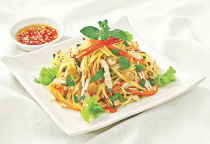
In contrast, Vietnamese cooking emphasizes a delicate equilibrium of five fundamental tastes: sour, bitter, sweet, salty, and spicy. Rather than masking ingredients with heavy dairy, Vietnamese recipes highlight the natural freshness of herbs, vegetables, and lean proteins. Lighter broths, such as traditional beef noodle soups, derive their complex depth from hours of simmering bones with charred aromatics and spices rather than added fats.
Freshness and Texture in Every Bite
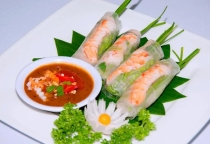
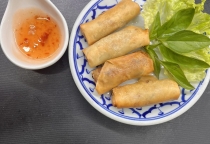
Another striking divergence lies in how texture and fresh produce are integrated into the meal. European dining often highlights soft, creamy textures or crisp roasted crusts. Vietnamese gastronomy, however, masters the art of contrasting textures within a single dish, pairing hot, crispy items like spring rolls with cool, crisp herbs and rice vermicelli.
Furthermore, fresh herbs like mint, cilantro, and Thai basil are not merely garnishes in Vietnamese cuisine; they are essential components that add vibrant notes to every bite. Dining experiences that bridge these worlds, such as those found at NETVIET Restaurant in San Ġiljan, Malta, allow food enthusiasts to appreciate how distinct global culinary philosophies celebrate ingredients in remarkably different yet equally delicious ways.